
calendar_today
·7 min read·Dr. Henrique JonesArthroplasty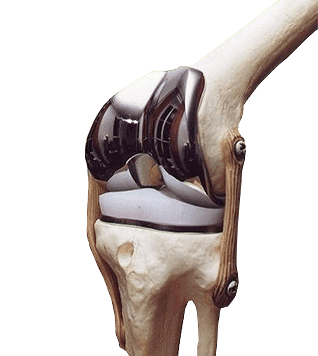
Knee Replacement: When Is It Necessary?
When the knee has an inflammatory injury (arthritis) or other injury (traumatic, for example), simple activities such as walking or climbing stairs can become difficult. There may be pain even at rest. Total knee arthroplasty emerges as a solution when conservative treatment is no longer sufficient.
Indications for arthroplasty
The decision to proceed with a knee replacement is always medical and is based on several factors:
- Chronic pain limiting daily activities
- Progressive lower limb deformity
- Failure of conservative treatment (physiotherapy, medication, injections)
- Significant joint wear confirmed by imaging
- Loss of quality of life
How is the surgery performed?
Joint arthroplasty is a safe and effective procedure to relieve pain, correct limb deformities and help return to normal activities. The surgeon removes the damaged joint surfaces and replaces them with metal and polyethylene components that replicate the natural movement of the knee.
Types of prosthesis
Cemented prostheses
Fixed using a special cement that adheres and hardens within a few minutes, allowing patients to bear weight immediately after surgery.
Uncemented prostheses
Applied under pressure (press-fit), produced with a rough and porous surface, usually coated with hydroxyapatite, to enable a very firm and long-lasting incorporation and fixation process.
Durability
Modern prostheses have an average durability of 15 to 25 years, and in some cases may last longer. Durability depends on factors such as patient activity, body weight and the type of prosthesis used.
Recovery
Hospital stay varies between 2 to 5 days. Patients begin walking with support the day after surgery. Walking without aids is generally possible between 4 to 8 weeks. Full rehabilitation takes between 3 to 6 months.
Improving our patient's quality of life is our greatest objective.
person
Dr. Henrique Jones
Specialist in Orthopedics and Traumatology. Arthroscopy, Arthroplasty and Sports Traumatology. +30 years of experience.